
Lath and Plaster Ceiling Repair: A Practical Guide for Older Homes
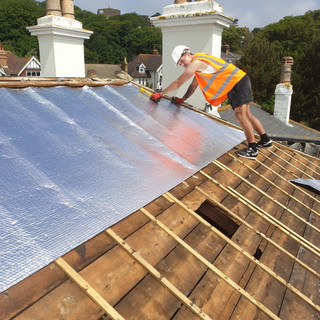
Many older properties, especially Victorian homes, feature lath and plaster ceilings. These ceilings add character and charm but can develop cracks, sagging, or other damage over time.
Understanding how to approach lath and plaster ceiling repair is essential for

maintaining the structural integrity and aesthetic appeal of these historic features.
We will explore the key steps involved in repairing lath and plaster ceilings, common issues to watch for, and practical advice to help preserve these ceilings in older homes.
Understanding Lath and Plaster Ceiling Repair
Lath and plaster ceilings consist of narrow wooden strips (laths) nailed to ceiling joists, covered by several layers of plaster. This method was common before drywall became widespread. Over time, the plaster can crack, crumble, or detach from the laths due to age, moisture, or structural movement.
When considering lath and plaster ceiling repair, it is important to:
Identify the extent of damage.
Determine if the laths are still secure.
Use appropriate materials and techniques to match the original construction.
For minor cracks, simple patching may suffice. For more extensive damage, sections of plaster may need to be removed and replaced. In some cases, reinforcing the laths or adding new plaster keys is necessary to ensure a lasting repair.
Common Problems in Lath and Plaster Ceilings
Older lath and plaster ceilings often show signs of wear that require attention. Some common problems include:
Cracks and Hairline Fractures: These often appear due to natural settling of the building or minor vibrations.
Sagging or Bulging: This indicates that the plaster has lost adhesion to the laths or that the laths themselves have loosened.
Water Damage: Leaks from above can cause plaster to soften, discolour, or fall away.
Holes and Impact Damage: Accidental knocks or renovations can leave holes or gouges in the plaster.
Each problem requires a different approach. For example, small cracks can be filled with plaster or joint compound, while sagging areas may need the plaster removed and reattached with new keys or mesh.
Is there asbestos in lath and plaster ceilings?
It is important to consider the potential presence of asbestos in older lath and plaster ceilings. Asbestos was commonly used in building materials until the late 20th century. While traditional lath and plaster itself rarely contains asbestos, some plaster mixes or textured finishes applied later may include asbestos fibres.
If you suspect asbestos, it is crucial to:
Avoid disturbing the plaster unnecessarily.
Consult a professional for testing.
Follow local regulations for safe removal or encapsulation.
Handling asbestos-containing materials without proper precautions can pose serious health risks. When in doubt, seek expert advice before starting any repair work.
Step-by-Step Guide to Repairing Lath and Plaster Ceilings
We recommend the following approach for effective lath and plaster ceiling repair:
Assess the Damage: Inspect the ceiling carefully. Tap gently to check for hollow sounds indicating loose plaster.
Prepare the Area: Remove loose plaster and dust. Protect floors and furniture.
Secure Loose Laths: If laths are loose, nail them back to the joists.
Apply Plaster Keys: For areas where plaster has fallen away, insert plaster keys or mesh to provide a grip for new plaster.
Mix and Apply Plaster: Use a traditional lime-based or gypsum plaster mix. Apply in thin layers, allowing each to dry before the next.
Finish and Sand: Once dry, sand the surface smooth. Avoid over-sanding to preserve texture.
Paint or Decorate: Use breathable paints suitable for older plaster to prevent moisture buildup.
This process requires patience and care. Rushing can lead to poor adhesion and future failures.

Maintaining Lath and Plaster Ceilings for Longevity
After completing repairs, ongoing maintenance is key to preserving lath and plaster ceilings:
Control Moisture: Fix leaks promptly and maintain good ventilation to prevent dampness.
Monitor for Cracks: Regularly inspect ceilings for new cracks or signs of movement.
Avoid Heavy Loads: Do not hang heavy items from lath and plaster ceilings without proper support.
Use Appropriate Paints: Choose breathable, lime-based paints to allow the plaster to "breathe" and avoid trapping moisture.
By following these guidelines, we can extend the life of these historic ceilings and maintain their original character.
Why Choose Professional Help for Lath and Plaster Ceiling Repair?
While some minor repairs can be done by confident DIYers, lath and plaster ceilings require specific skills and materials. Professionals experienced in older properties understand the nuances of these ceilings and can:
Identify hidden structural issues.
Use traditional materials that match the original.
Ensure repairs are durable and visually consistent.
Handle any asbestos concerns safely.
For those looking to preserve the historical integrity of their homes, expert assistance is invaluable. We recommend consulting specialists who focus on Victorian and older properties to achieve the best results.
Repairing lath and plaster ceilings is a careful process that balances preservation with practical restoration. By understanding the materials, common issues, and repair techniques, we can maintain these beautiful ceilings for many years to come. For detailed guidance and professional support, consider repairing lath and plaster ceilings with trusted experts who respect the history and character of your home.


Comments