
How to Assess Builder Reviews Effectively
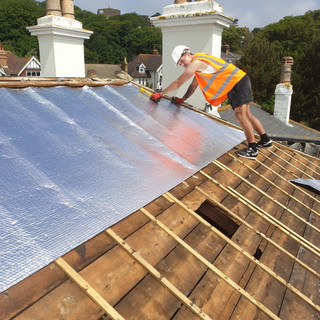
When we consider renovating or repairing Victorian and older properties, especially in Kent, choosing the right builder is crucial. These homes require special care to preserve their historical character while improving their comfort and sustainability. One of the best ways to find a reliable builder is by looking at reviews. However, not all reviews are equally helpful or trustworthy. We need to know how to assess builder reviews effectively to make informed decisions.
Why It’s Important to Assess Builder Reviews Carefully
Builder reviews provide insights into the quality of work, professionalism, and reliability of a builder. For older properties, this is even more important because the work often involves structural repairs and sensitive restoration. A builder who understands the unique challenges of Victorian homes can make a significant difference in the outcome.
When we assess builder reviews, we look for patterns rather than isolated comments. A single negative review might be an outlier, but consistent complaints about delays or poor workmanship are red flags. Similarly, positive reviews that mention attention to detail and respect for historical features are encouraging.
We should also consider the source of the reviews. Reviews on official websites such as Trustpilot, Verifytrusted,

trade platforms, or trusted local forums tend to be more reliable than anonymous comments on social media. Cross-checking reviews across multiple platforms helps us get a balanced view.
How to Assess Builder Reviews for Victorian and Older Properties
When assessing builder reviews, we focus on specific factors that matter for older homes:
Experience with older properties: Look for reviews that mention work on Victorian or period homes. This shows the builder understands the materials and techniques needed.
Quality of workmanship: Reviews should highlight the quality of finishes, structural repairs, and attention to detail.
Communication and professionalism: Builders who keep clients informed and respect timelines tend to have better reviews.
Problem-solving skills: Older homes often present unexpected challenges. Positive reviews may mention how the builder handled these issues.
Value for money: While cost is important, the cheapest option is not always best. Look for reviews that mention fair pricing relative to the quality delivered.
We can also use reviews to identify builders who are committed to preserving historical integrity while making homes more energy-efficient and comfortable. This balance is essential for owners of older properties.
To get a comprehensive picture, we recommend reading a mix of recent and older reviews. This helps us see if the builder’s quality has been consistent over time.
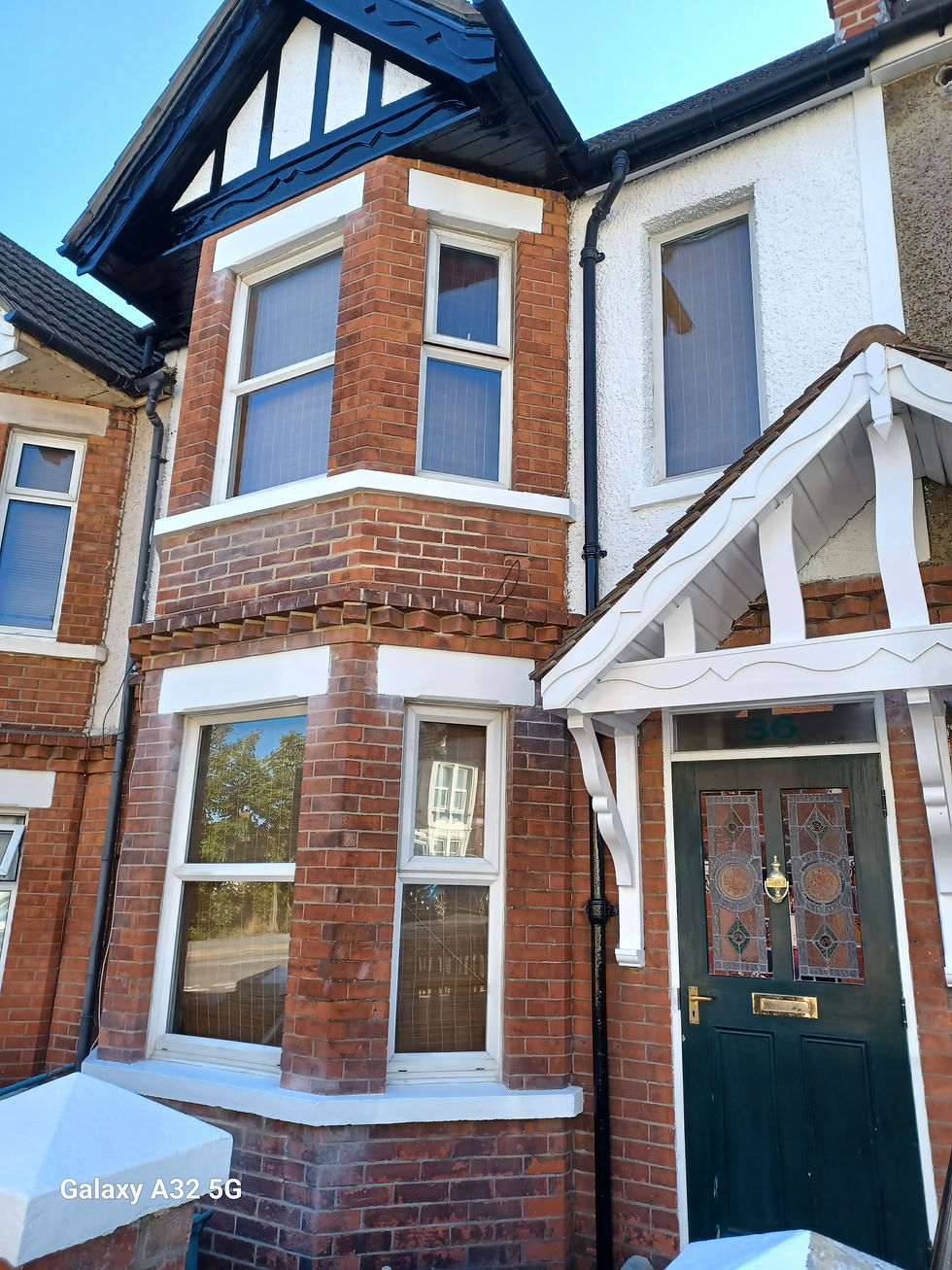
Cross Builders installed reinforcing helical rods to provide additional strength to this Victorian bay window.
How do I identify fake builder reviews?
Fake reviews can mislead us and result in poor choices. Here are some practical tips to spot them:
Overly positive or negative language: Fake reviews often use extreme praise or harsh criticism without specifics.
Generic comments: Reviews that lack detail about the project or builder’s work may be fake.
Repetitive phrases: If multiple reviews use the same wording, they might be fabricated.
Reviewer profiles: Check if the reviewer has a history of leaving multiple reviews in a short time or only reviews for one builder.
Timing of reviews: A sudden surge of positive reviews in a short period can indicate manipulation.
We should cross-reference reviews with other sources, such as testimonials on the builder’s website or recommendations from local heritage groups. Asking for references directly from the builder and visiting past projects can also help verify claims.
Practical Steps to Use Reviews in Your Decision-Making
Once we have gathered and assessed reviews, we can use them to guide our choice of builder:
Shortlist builders with strong, consistent reviews: Focus on those with experience in Victorian and older homes.
Contact shortlisted builders: Ask specific questions about their experience and approach to preserving historical features.
Request references: Speak to previous clients to get firsthand feedback.
Visit completed projects: Seeing the work in person helps confirm the quality described in reviews.
Compare quotes carefully: Use reviews to understand what is included in the price and the builder’s reliability.
By following these steps, we reduce the risk of hiring a builder who might not meet our expectations or handle the unique challenges of older properties.
We also recommend checking cross builders reviews to see how one trusted local company performs in these areas.
Building Trust Through Verified Reviews
Trust is essential when choosing a builder for older homes. Verified reviews, where the reviewer’s identity and project details are confirmed, provide the highest level of confidence. Some platforms offer this service, and builders who encourage verified reviews demonstrate transparency.
We should also look for builders who respond to reviews, both positive and negative. A professional response shows they value feedback and are willing to address concerns.
In the context of Kent’s Victorian properties, builders who have a track record of preserving historical integrity while upgrading homes for modern living deserve special attention. Reviews that mention these qualities help us identify the right experts.
Moving Forward with Confidence
Assessing builder reviews effectively is a vital step in ensuring the success of renovation and repair projects for Victorian and older homes. By focusing on relevant experience, quality, communication, and verified feedback, we can make informed choices.
We encourage a thorough approach - reading multiple reviews, verifying authenticity, and engaging directly with builders. This process helps protect the investment in our homes and supports the preservation of Kent’s architectural heritage.
Choosing the right builder is not just about cost or speed. It is about finding a partner who respects the past and works with us to create a comfortable, sustainable future for our properties.


Comments